Smart Cities2 min readBy the SmartGen team
The phrase "smart city" is used so often that it can feel vague. In practice it describes something simple: a city whose systems are connected, so what happens in one area can inform decisions in another.

Smart is about connection, not gadgets
Installing a camera, a charger or a solar panel does not make a city smart on its own. The change comes when those pieces share information and help people decide what to do next.
Three layers that work together
Most smart city projects bring together three areas:
- Mobility: traffic cameras, e-tolling, traffic management and fleet systems that keep people and vehicles moving safely.
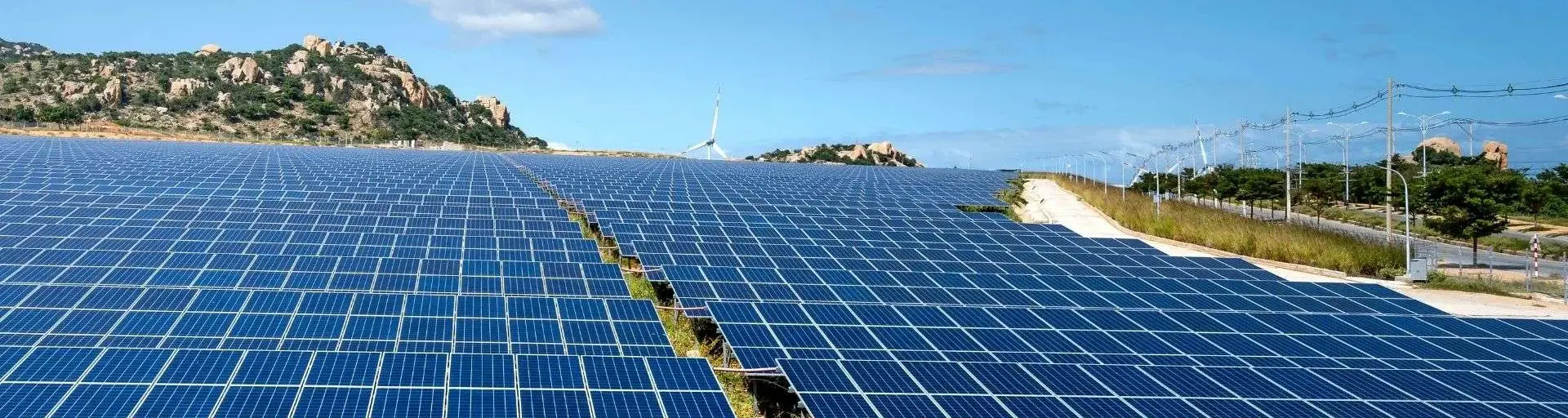
- Energy: solar generation, battery storage and EV charging that keep the city powered and ready for electric transport.
- Data: dashboards and reporting that bring everything into one clear view for the teams who run the city.
Start with a problem, not a technology
The most successful projects begin with a clear question rather than a shopping list. A few that are worth asking:
- Where does congestion or risk build up, and when?
- Which sites lose the most time or money to power problems?
- What information do decision makers wish they had every morning?
Build in phases
A city does not become smart overnight. Many projects start with one corridor, one district or one type of equipment, then grow as results come in. Choosing equipment and software that can connect to what you add later keeps each phase useful and avoids rebuilding from scratch.
Planning a smart city or infrastructure project? Tell us about your goals and we will help you shape the first phase.