
EV Charging2 min readBy the SmartGen team
As more drivers switch to electric vehicles, businesses, property owners and cities are asking the same question: which chargers should we install? The answer depends far less on the charger than on how people will use your site.
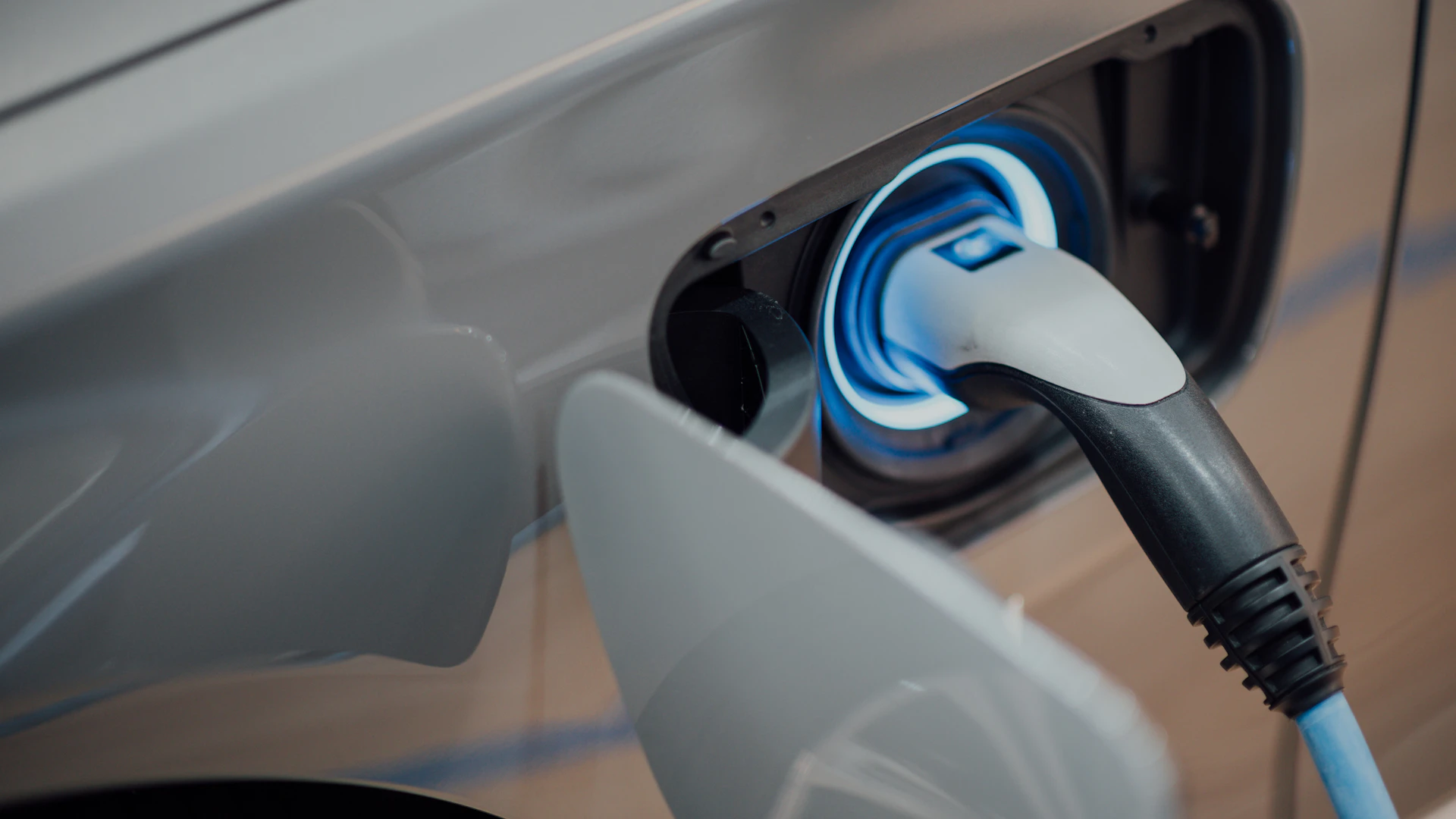
The basic difference
AC chargers pass alternating current to the vehicle, and the car converts it to charge its battery. They charge at a steady, moderate pace. DC chargers convert power inside the charger and deliver it straight to the battery, which allows much faster charging.
SmartGen offers both: AC chargers such as 22 kW wallbox and floor-mounted units, and DC floor-mounted chargers across a range of power levels for faster charging.
Start with how long vehicles stay
The most useful question to ask is how long a vehicle will be parked. That tells you how much time there is to charge.
- Long stays, such as homes, offices, hotels and residential buildings, usually suit AC charging.
- Short stops, such as highway rest areas, fleet depots with fast turnarounds and busy commercial sites, benefit from DC fast charging.
- Mixed sites often combine both, with DC for quick top-ups and AC for the rest.
Check your power supply early
Charging equipment needs a power connection that can support it, and DC chargers need considerably more than AC units. Checking the available capacity at the start of the project avoids surprises later and helps you decide how many chargers the site can run at once.
It is also worth planning for growth. If you expect more vehicles in the next few years, leave room in the design for additional chargers and upgrades.
Think about management as well as hardware
Once chargers are installed, operators need to see how they are used and whether they are working. Remote monitoring, reporting and clear support arrangements matter just as much as the charger itself, particularly for sites open to the public.
Not sure which chargers fit your site? Share your location, parking pattern and power details and we will help you plan.