Green Energy2 min readBy the SmartGen team
Modern roads and cities depend on electronic equipment that never stops working. When the power fails, so do the cameras, signals, chargers and control systems that people rely on.
Where power problems hurt most
Some equipment can wait for the power to return. Other equipment cannot:
- Traffic cameras and enforcement systems that need continuous monitoring.
- EV charging stations that customers expect to be available.
- Tolling and control equipment that keeps traffic flowing.
- Data and communication hardware that links everything together.
Options for resilient power
There are several ways to protect a site, and the right choice depends on how critical it is and what power is available:
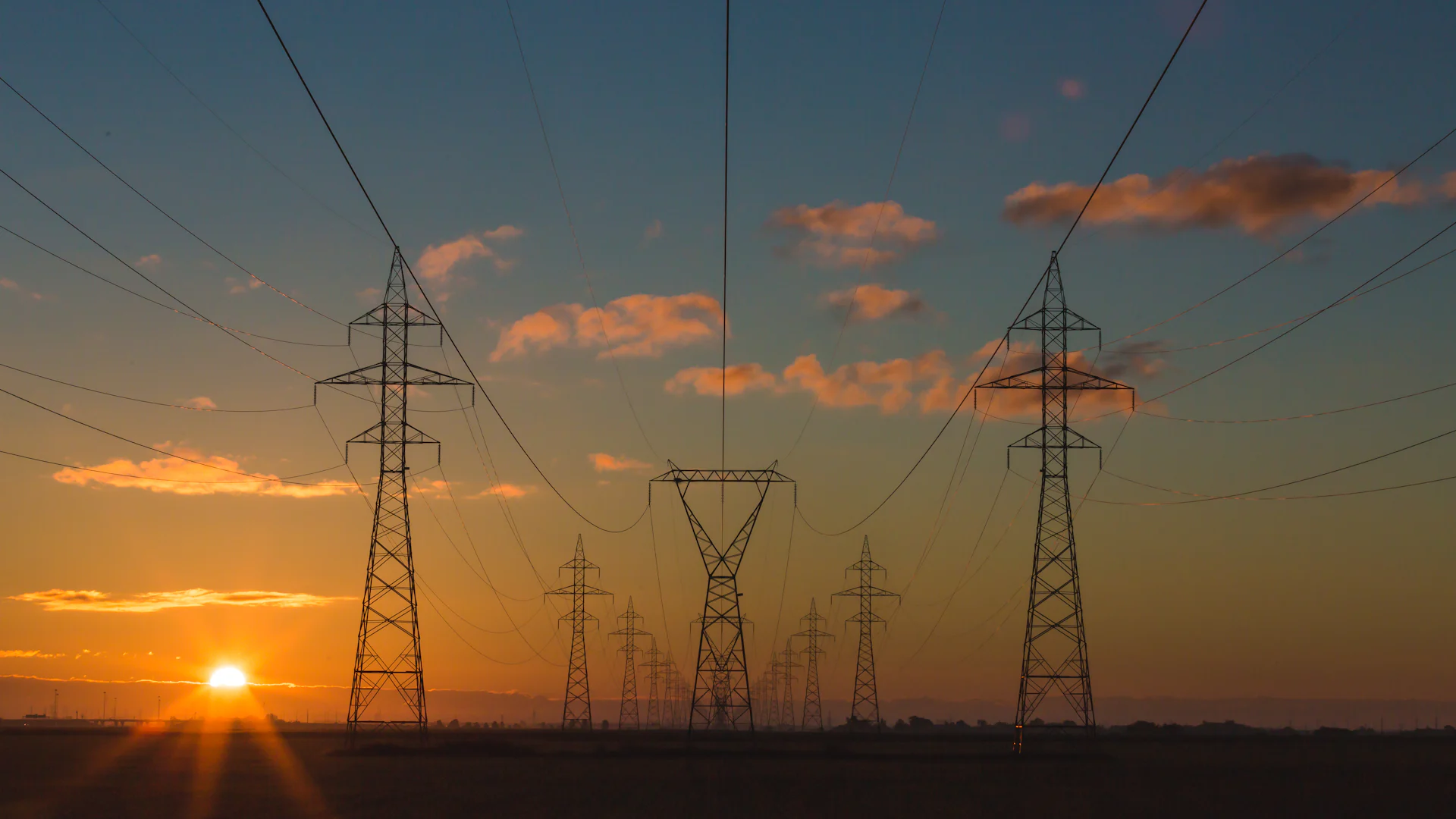
- Grid power with battery backup, to cover outages.
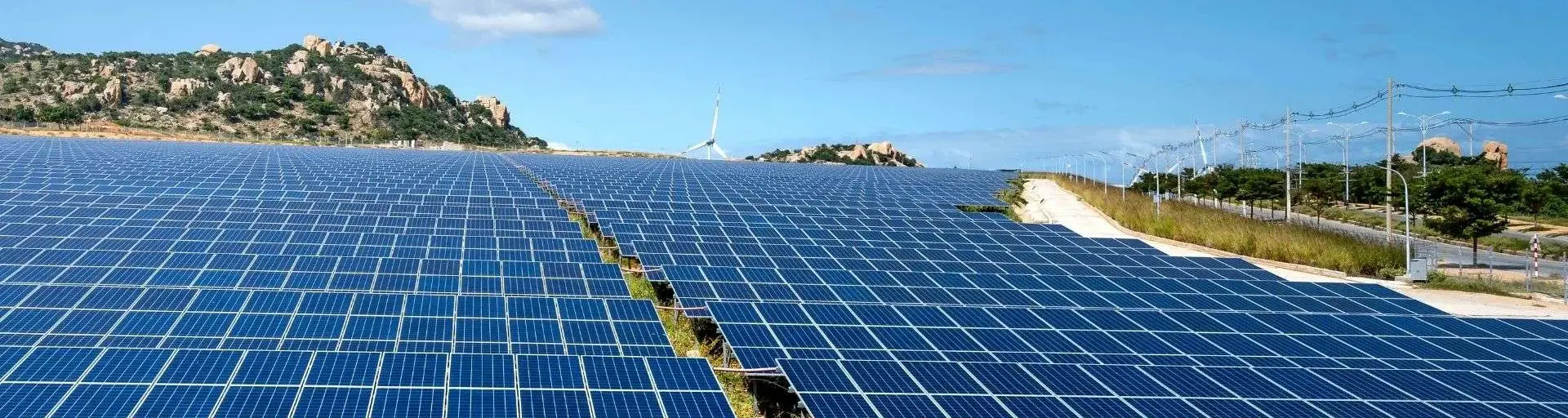
- Solar generation with battery storage, to reduce reliance on the grid.
- Off-grid systems for remote locations with no reliable connection.
Size the system around what matters most
Start by listing the equipment that must keep running and how much power it uses. Then decide how long it needs to run without the grid. That gives you a clear target for battery capacity, instead of guessing.
It also helps to separate critical loads from those that can be switched off in an outage, so the system lasts longer where it counts.
Do not forget monitoring and maintenance
A backup system that fails quietly is no backup at all. Cloud monitoring shows battery health, charge level and performance, so problems are caught before the next outage. Planning who will maintain the system, and how, is just as important as choosing the batteries.
Need dependable power for cameras, chargers or other critical equipment? Share your site and load and we will help you plan.